
A customer slips on a wet floor inside a supermarket. A contractor accidentally damages a neighbouring property while carrying out work. A visitor is injured by an unsecured display at a business premises. These incidents may appear very different, but they raise an important question: who is legally responsible when a business activity causes injury or damage to someone else?
For businesses operating in Kenya, third-party liability is a risk that deserves attention. It is relevant not only to large companies but also to shops, restaurants, hotels, offices, contractors, event organisers and other businesses that interact with customers, visitors or members of the public.
Public liability insurance in Kenya is designed to protect businesses against specified legal liabilities arising from accidental bodily injury or property damage suffered by third parties in connection with insured business activities.
However, public liability insurance does not automatically cover every accident, complaint or legal demand. Coverage depends on the circumstances, applicable law and the terms of the insurance contract.
At Mnara Risk and Wealth Advisory, we help Kenyan businesses understand their risks and evaluate appropriate insurance protection options.
This guide explains how public liability insurance works, the businesses that may need it, examples of third-party claims, important exclusions, claims procedures and practical steps for reducing liability exposure.
What Is Public Liability Insurance in Kenya?
Public liability insurance is a type of business insurance designed to address certain legal liabilities arising when third parties suffer bodily injury or property damage connected to the insured business’s activities.
A third party may be a customer, visitor, member of the public or another person who is not treated as an employee under the relevant policy provisions.
The insurance may respond where the insured business becomes legally liable for an event covered by the policy.
Some policies also provide for eligible legal defence expenses associated with covered claims, subject to the relevant conditions.
How Public Liability Insurance Works
Consider a restaurant where a customer slips on a wet floor and suffers an injury.
The customer alleges that the restaurant failed to take reasonable precautions and seeks compensation.
The restaurant reports the incident to its insurer, provides relevant evidence and follows the claims procedure.
The insurer then assesses the circumstances, the question of legal liability and whether the claim falls within the policy.
If the claim qualifies, the policy may respond to covered liabilities and eligible associated expenses.
However, an accident occurring at a business premises does not automatically establish that the business was negligent or legally responsible.
Why Public Liability Insurance Matters for Businesses in Kenya
Businesses interact with people and property in many different ways.
Customers visit retail premises, contractors work at client sites, suppliers deliver goods, and members of the public may encounter business activities in shared spaces.
These interactions can create situations where accidental injury or property damage occurs.
Customer and Visitor Safety
Businesses that welcome customers or visitors should assess the physical hazards associated with their premises.
Slippery floors, unsecured equipment, damaged walkways and falling objects may create injury risks.
Damage to Other People’s Property
Businesses may perform activities near property owned by customers, landlords, neighbours or other third parties.
Accidental damage arising from insured operations may lead to a liability claim.
Contractual Insurance Requirements
Some landlords, commercial clients, project owners and event venues require businesses or contractors to maintain public liability insurance.
The requirements depend on the particular agreement.
Business Reputation and Continuity
A serious incident can disrupt operations and require management attention.
Having appropriate insurance and clear incident response procedures can form part of a wider approach to managing business risks.
Who Needs Public Liability Insurance in Kenya?
Public liability insurance may be relevant to businesses whose activities could accidentally injure third parties or damage property belonging to others.
The level and nature of exposure depend on the business’s operations.
1. Retail Shops and Supermarkets
Retail premises receive customers, suppliers and other visitors throughout the day.
Potential hazards include wet floors, unstable shelves, obstructed walkways and falling merchandise.
Public liability insurance may be relevant where an incident gives rise to a covered third-party liability claim.
2. Restaurants and Cafés
Restaurants and cafés operate spaces where customers move between entrances, dining areas, washrooms and other facilities.
Potential liability incidents may involve slips, falls or accidental damage to visitors’ property.
Food-related injury or illness claims may require particular attention to policy wording and specialist extensions.
3. Hotels and Hospitality Businesses
Hotels, guesthouses and accommodation businesses host visitors who use rooms, corridors, staircases, recreational areas and other facilities.
These businesses should assess relevant premises-related risks and understand their liability protection.
4. Construction Companies and Contractors
Construction activities may affect neighbouring properties, visitors or members of the public.
For example, falling materials or accidental damage during construction may lead to third-party claims.
Contractors should review whether their public liability arrangements address the activities and locations involved in their projects.
5. Property Managers and Building Owners
Commercial buildings may contain common areas, staircases, parking spaces and other facilities used by tenants and visitors.
Property managers and owners should assess the risks associated with premises management and maintenance responsibilities.
6. Event Organisers
Events may bring together attendees, vendors, equipment and temporary installations.
Public liability insurance may be relevant to specified injury or property damage claims arising from insured event activities.
Event organisers should confirm whether the event type, location and relevant activities fall within the policy.
7. Cleaning and Maintenance Companies
Cleaning and maintenance businesses often work at client premises.
An employee may accidentally damage client property or create a hazard that leads to a third-party injury.
Businesses should review the relevant insurance arrangements and the treatment of property under their care or control.
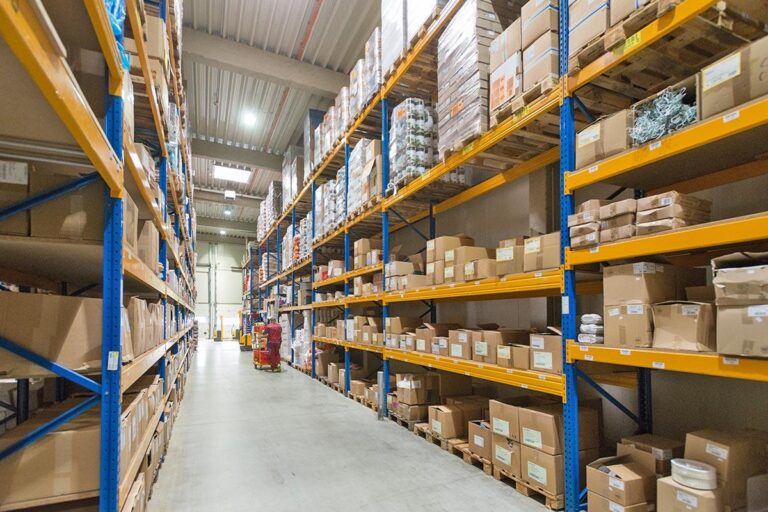
8. Warehouses and Distribution Businesses
Warehouses may receive transport operators, delivery personnel, contractors and other visitors.
Loading activities, moving equipment and storage operations may create risks involving third parties.
9. Offices and Professional Service Businesses
Even businesses operating primarily from offices may receive clients, suppliers and visitors.
Public liability insurance may be relevant to specified accidents connected to the premises or business activities.
10. Schools and Training Institutions
Educational institutions may face premises-related risks involving visitors and other third parties.
However, incidents involving students, educational activities or specialist institutional responsibilities may require additional policy consideration.
Public Liability Risks Across Different Industries
| Business Type | Example of a Third-Party Incident | Risk Consideration |
|---|---|---|
| Supermarket | Customer slips on a wet floor | Premises safety and potential bodily injury liability |
| Restaurant | Visitor falls on a damaged walkway | Customer safety and premises maintenance |
| Construction company | Work accidentally damages neighbouring property | Third-party property damage liability |
| Hotel | Guest is injured in a common area | Hospitality premises risks |
| Event organiser | Temporary equipment injures an attendee | Event-related public safety |
| Cleaning company | Cleaning activity creates a hazard for visitors | Service-related third-party injury exposure |
| Property manager | Visitor alleges injury from an unsafe common area | Premises management responsibilities |
| Warehouse | Business equipment damages a visitor’s property | Operational third-party liability |
These are illustrative situations. Legal responsibility and insurance coverage depend on the circumstances and policy wording.
What Does Public Liability Insurance Cover in Kenya?
Public liability policies generally focus on specified legal liabilities involving third-party bodily injury or property damage.
The exact scope of cover varies.
Third-Party Bodily Injury
A visitor, customer or member of the public may suffer an accidental injury connected to the insured business’s activities.
Where the business is legally liable and the event meets the policy conditions, public liability insurance may respond.
Third-Party Property Damage
A business may accidentally damage property belonging to another person or organisation.
For example, a contractor may damage a client’s property while performing an insured activity.
Whether the incident qualifies depends on the nature of the damage, the insured operations and relevant exclusions.
Legal Defence Expenses
Some public liability policies provide for eligible legal defence expenses associated with covered claims.
The insurer may require consent before the insured appoints legal representatives or incurs particular expenses.
Specified Extensions
Some policies offer extensions addressing particular business activities or additional liability exposures.
These may include certain food-related, tenant-related or other specified risks, depending on the insurer and contract.
Businesses should verify the actual extensions included rather than assume they are standard.
What Is a Third-Party Liability Claim?
A third-party liability claim arises when someone outside the relevant insured relationship alleges that a business is legally responsible for injury, property damage or another covered form of harm.
The person making the claim may seek compensation or another legal remedy.
However, an allegation is not the same as proof of liability.
Whether the business is responsible depends on the relevant legal principles, facts and evidence.
What Must Be Considered in a Liability Claim?
Depending on the circumstances, a claim may involve questions about:
- Whether the business owed a relevant duty of care.
- Whether the business breached that duty.
- Whether the alleged breach caused the injury or damage.
- Whether the claimant suffered legally recognisable harm.
- Whether another person or event contributed to the incident.
- Whether the insurance policy responds to the liability.
These issues may require legal assessment and should not be decided solely from the fact that an accident occurred.
Public Liability Insurance vs Professional Indemnity Insurance
Public liability and professional indemnity insurance protect against different categories of risk.
Public liability generally focuses on specified third-party bodily injury and property damage arising from business activities.
Professional indemnity focuses on certain liabilities arising from professional advice, designs, errors, omissions or specialist services.
| Feature | Public Liability | Professional Indemnity |
|---|---|---|
| Main purpose | Specified third-party injury and property damage liability | Specified professional service liability |
| Typical incident | Visitor alleges injury at business premises | Client alleges financial loss from professional advice |
| Primary exposure | Accidents connected to business operations | Professional errors, omissions or negligence |
| Common users | Retailers, contractors, hospitality businesses and others | Consultants, accountants, architects, engineers and others |
| Are they interchangeable? | No | No |
A business may need to consider both types of insurance if it provides professional services and also interacts with customers or third parties.
Explore Mnara’s Business and Corporate Insurance services for guidance on different business liability risks.
Public Liability Insurance vs Employer’s Liability Insurance
Employer’s liability insurance generally concerns specified legal liabilities arising from employee injury or illness claims.
Public liability insurance generally concerns specified liabilities involving third parties.
Employees are usually treated differently from members of the public under these insurance arrangements.
Employers in Kenya should also understand their responsibilities under the Work Injury Benefits Act, 2007.
Public liability insurance should not be assumed to fulfil statutory workplace injury insurance obligations.
Public Liability Insurance vs Product Liability Insurance
Businesses that manufacture, distribute or sell products may face claims alleging that a defective product caused injury or property damage.
Product liability insurance is designed to address specified liabilities associated with products, subject to the relevant terms.
Some commercial liability arrangements may include product liability extensions, while others require separate protection.
Retailers, manufacturers, food businesses and distributors should understand how their policies treat products after sale or supply.
Is Public Liability Insurance Mandatory in Kenya?
Public liability insurance is not universally mandatory for every business in Kenya.
However, particular contracts, licences, activities, sectors or regulatory arrangements may require specific liability insurance.
For example, a landlord may require a tenant to maintain appropriate public liability insurance under a commercial lease.
A project owner may require contractors to demonstrate insurance protection before commencing work.
Event venues may also impose insurance conditions on organisers.
Businesses should verify the requirements applicable to their particular activities rather than assume that a general rule applies to every organisation.
How to Check Your Business Requirements
- Review relevant contracts and lease agreements.
- Check industry-specific licensing conditions.
- Review tender and procurement requirements.
- Confirm any venue or project insurance obligations.
- Consult the relevant regulator where necessary.
- Seek appropriate legal or insurance advice for complex arrangements.
Public Liability Insurance for Retail Shops in Kenya
Retail businesses receive members of the public who may encounter various hazards while shopping.
Common risks include wet floors, damaged tiles, unstable displays and blocked walkways.
Example — Customer Slip and Fall
A customer enters a shop and slips on a wet surface.
The customer alleges that the business failed to provide adequate warning or take reasonable precautions.
The claim may involve questions about how the hazard arose, how long it existed and what steps the business took to address it.
Public liability insurance may respond to qualifying legal liability, subject to the policy terms.
Risk Prevention Measures for Retailers
- Inspect customer areas regularly.
- Address spills and wet surfaces promptly.
- Use appropriate warning signs.
- Maintain walkways and flooring.
- Secure shelves and displays.
- Train employees on incident reporting.
- Maintain relevant inspection and maintenance records.
Public Liability Insurance for Restaurants and Hotels
Hospitality businesses operate spaces used by guests, customers, suppliers and other visitors.
Potential incidents may involve slips, falls, falling objects and other premises-related hazards.
Restaurant Liability Risks
Restaurants should pay attention to dining areas, entrances, washrooms, staircases and other customer-accessible spaces.
Food-related illness or injury allegations may require specialist coverage consideration because ordinary public liability policies do not necessarily cover every food-related exposure.
Hotel Liability Risks
Hotels should assess hazards involving corridors, stairs, recreational facilities, parking areas and common spaces.
Specialist facilities, such as swimming pools or organised activities, may require particular insurance and safety arrangements.
Hospitality operators should review their policies against the actual services and facilities offered.
Public Liability Insurance for Construction Companies in Kenya
Construction projects may create risks involving neighbouring properties, pedestrians, visitors and other third parties.
Activities involving excavation, demolition, lifting equipment or movement of materials can require careful risk management.
Example — Damage to Neighbouring Property
A contractor carries out work near an adjoining building.
The neighbouring property owner later alleges that the contractor’s activities caused damage.
The dispute may require technical investigation to establish the cause of the damage and determine legal responsibility.
Public liability insurance may respond to covered third-party property damage claims, subject to the policy terms.
Contractor Insurance Considerations
- Whether the declared activities match the work performed.
- Whether the project location is included.
- How subcontractor activities are treated.
- Whether relevant construction exclusions apply.
- Whether damage to existing property is addressed.
- How the policy treats property under the contractor’s care or control.
- What notification procedures apply after an incident.
Contractors may also need to consider contractors’ all risks insurance, WIBA and other relevant arrangements.
Public Liability Insurance for Event Organisers in Kenya
Events can involve temporary structures, electrical installations, sound equipment, seating arrangements and large numbers of attendees.
These activities can create third-party injury and property damage risks.
Events That May Require Liability Risk Assessment
- Corporate events and conferences.
- Exhibitions and trade shows.
- Concerts and entertainment events.
- Weddings and private functions.
- Festivals and community gatherings.
- Outdoor promotional activities.
- Sporting and recreational events.
Insurance requirements may depend on the event type, venue, contractual arrangements and applicable rules.
Important Event Safety Considerations
Organisers should assess crowd movement, access routes, equipment installation, emergency arrangements and the responsibilities of contractors and vendors.
Public liability insurance should be reviewed alongside practical event safety planning.
Public Liability Insurance for Property Owners and Managers
Property owners and managers may be responsible for maintaining particular areas of commercial or residential premises.
Potential liability incidents may involve common walkways, staircases, parking areas and other shared facilities.
Responsibility depends on the relevant legal duties, contractual arrangements and circumstances of the incident.
Landlord and Tenant Responsibilities
Commercial leases may allocate particular maintenance and insurance responsibilities between landlords and tenants.
Property owners should understand the areas under their control and the insurance requirements applicable to their buildings.
Tenants should also review their responsibilities for customer areas, business activities and leased premises.
Public Liability Insurance for Cleaning and Maintenance Businesses
Cleaning and maintenance companies frequently operate on premises belonging to clients.
These activities can create risks involving third-party injury and accidental property damage.
Example — Cleaning Activity Causes an Injury
A cleaning team works in a commercial building while visitors continue using the premises.
A visitor slips in an area being cleaned and alleges that adequate precautions were not taken.
The circumstances may involve questions about warning signs, access restrictions, supervision and contractual responsibilities.
Whether public liability insurance responds depends on the insured activities and relevant policy terms.
Property Under Care, Custody or Control
Cleaning and maintenance companies should pay particular attention to policy restrictions concerning property entrusted to them.
Damage to property under the insured’s care, custody or control may be excluded or subject to specific extensions.
Businesses should not assume that all damage to client property is automatically covered.
What Does Public Liability Insurance Commonly Exclude?
Public liability insurance is not designed to cover every type of business liability.
Exclusions differ between policies, but the following areas often require attention.
Employee Injuries
Employee injury liabilities are generally addressed through different insurance arrangements and applicable employment-related legislation.
Professional Negligence
Claims arising from professional advice, designs or specialist services may require professional indemnity insurance.
Motor Vehicle Liabilities
Liabilities arising from the use of motor vehicles may require appropriate motor insurance rather than ordinary public liability cover.
Deliberate or Criminal Conduct
Policies commonly contain exclusions relating to certain deliberate, dishonest or criminal acts.
Property Under Care, Custody or Control
Some policies restrict damage to property entrusted to the insured or under the insured’s control.
Contractual Liabilities
Liabilities assumed solely under contract may be restricted where they exceed obligations that would otherwise arise under applicable law.
Pollution and Environmental Damage
Pollution-related liabilities may be excluded or subject to specialist extensions.
Product-Related Claims
Some product-related liabilities may require separate product liability protection.
Businesses should review the actual policy wording and obtain clarification where an exclusion may affect their operations.
What Happens When a Customer Is Injured at Your Business?
A customer injury should be handled promptly and responsibly.
The first priority is the injured person’s wellbeing, followed by appropriate incident reporting and preservation of relevant information.
Step 1 — Provide Appropriate Assistance
Ensure that the injured person receives appropriate assistance and medical attention where necessary.
Step 2 — Make the Area Safe
Take reasonable steps to prevent additional injuries while preserving relevant evidence where appropriate.
Step 3 — Record the Incident
Document the date, time, location, circumstances and available witness information.
Step 4 — Preserve Relevant Evidence
Retain appropriate photographs, CCTV footage, inspection records and other relevant information.
Step 5 — Notify the Insurer
Follow the notification requirements under the relevant public liability policy.
Step 6 — Avoid Unauthorised Admissions or Settlements
Some policies require insurer consent before admitting liability or entering into settlements.
Follow the policy conditions and obtain appropriate advice.
Step 7 — Cooperate With the Claims Process
Provide accurate information and respond to reasonable requests from authorised claims representatives.
How Public Liability Insurance Claims Work in Kenya
Claims procedures vary between insurers, but a typical process may involve the following stages.
| Stage | What Happens |
|---|---|
| Incident occurs | A third party experiences alleged injury or property damage |
| Incident documentation | The business records the circumstances and preserves relevant evidence |
| Insurer notification | The insured reports the matter according to the policy conditions |
| Claim submission | Relevant documents and allegations are provided |
| Coverage assessment | The insurer reviews whether the event falls within the policy |
| Liability assessment | Legal responsibility and supporting evidence are considered |
| Claim resolution | The matter is addressed according to the applicable legal and policy requirements |
Documents That May Be Required for a Public Liability Claim
The exact documentation depends on the incident.
- Completed claim forms.
- Internal incident reports.
- Relevant photographs.
- CCTV footage where available.
- Witness statements.
- Medical reports where relevant.
- Property damage reports.
- Correspondence from the claimant.
- Relevant contracts and maintenance records.
- Other documents reasonably required by the insurer.
Businesses should handle personal and medical information carefully and follow applicable data protection obligations.
Can a Customer Sue a Business for an Accident in Kenya?
A customer or another third party may pursue a legal claim where they believe a business was responsible for an injury or loss.
However, the outcome depends on the facts, applicable law and evidence.
The claimant may need to establish the relevant elements of legal liability.
In some circumstances, the conduct of the injured person or other parties may also be relevant.
Public liability insurance may respond to specified legal liabilities, but it does not automatically establish that the business is responsible whenever an accident occurs.
Does Public Liability Insurance Cover Accidents Outside Business Premises?
Public liability insurance is not necessarily limited to incidents occurring inside a shop, office or other fixed premises.
Some policies may cover specified business activities performed at client sites or other locations.
However, territorial restrictions, declared activities and other policy conditions remain important.
Businesses providing mobile services, installations, maintenance or field operations should confirm whether their off-site activities are insured.
Does Public Liability Insurance Cover Subcontractors?
The treatment of subcontractors depends on the relevant insurance contract and the circumstances of the claim.
Some policies may contain provisions addressing particular subcontracted activities, while others impose restrictions or require separate arrangements.
Businesses should not assume that every subcontractor is automatically covered under the principal business’s public liability policy.
Questions to Ask About Subcontractors
- Are subcontracted activities included in the declared business operations?
- Does the policy contain relevant subcontractor exclusions?
- Are subcontractors required to maintain their own insurance?
- How are responsibilities allocated under the contract?
- What happens if an incident involves more than one business?
How to Choose Public Liability Insurance in Kenya
Selecting suitable public liability insurance begins with understanding how your business interacts with third parties.
Identify Your Business Activities
Consider the services provided, premises used, equipment operated and locations where work takes place.
Assess Third-Party Exposure
Identify how customers, visitors, suppliers, contractors and members of the public may encounter your business activities.
Review the Insured Operations
Confirm that the policy description accurately reflects your activities.
Understand the Coverage Scope
Review the types of bodily injury and property damage liabilities included.
Examine the Exclusions
Pay attention to professional services, employee injuries, products, subcontractors and property under your control.
Review Contractual Requirements
Check whether landlords, project owners, clients or venues impose particular insurance obligations.
Understand Claims Procedures
Know when to notify the insurer and what steps require prior consent.
Public Liability Insurance Checklist for Kenyan Businesses
| Area | Question to Ask |
|---|---|
| Business activities | Are all relevant operations correctly declared? |
| Premises | Are the relevant locations and activities included? |
| Third-party injury | What bodily injury liabilities are covered? |
| Property damage | What third-party property damage liabilities are covered? |
| Subcontractors | How are subcontracted activities treated? |
| Client property | What restrictions apply to property under our control? |
| Exclusions | Which important business risks fall outside the policy? |
| Contracts | Are relevant insurance obligations addressed? |
| Legal defence | What conditions apply to defence assistance? |
| Claims reporting | How quickly must incidents be reported? |
How Businesses Can Reduce Public Liability Risks
Insurance should operate alongside practical measures designed to prevent accidents and reduce avoidable hazards.
Maintain Safe Premises
Inspect walkways, entrances, staircases and customer-accessible areas.
Address identified hazards promptly.
Use Appropriate Warning Signs
Where hazards cannot be removed immediately, appropriate warnings and access controls may help reduce exposure.
Train Employees
Employees should understand how to identify hazards, assist visitors and report incidents.
Maintain Equipment
Equipment and installations should be maintained appropriately for their intended use.
Manage Contractors Carefully
Clarify responsibilities and review safety procedures when contractors work on the premises or on behalf of the business.
Maintain Accurate Records
Inspection records, maintenance reports and incident documentation may be important when investigating an accident.
Review Changes in Business Operations
New services, additional premises or different equipment may create new liability exposures.
Public Liability Risk Prevention Checklist
| Risk Area | Recommended Practice |
|---|---|
| Walkways | Keep customer and visitor routes clear |
| Wet surfaces | Address spills and use appropriate warnings |
| Displays | Secure shelving and relevant equipment |
| Staircases | Maintain steps, lighting and handrails |
| Equipment | Use and maintain equipment appropriately |
| Contractors | Clarify safety and operational responsibilities |
| Visitors | Manage access to hazardous areas |
| Incident reporting | Document incidents promptly and accurately |
| Insurance | Review protection when business activities change |
Common Public Liability Insurance Mistakes Businesses Should Avoid
Assuming Every Accident Is Automatically Covered
Coverage depends on the policy, legal liability and circumstances of the incident.
Confusing Public Liability With Professional Indemnity
Professional advice and specialist service errors may require professional indemnity protection.
Ignoring Subcontractor Arrangements
Businesses should understand how subcontracted work is treated under their insurance.
Failing to Report Incidents Promptly
Late notification may create difficulties under the relevant policy conditions.
Making Unauthorised Admissions
Businesses should understand the policy requirements concerning admissions and settlements.
Failing to Preserve Evidence
Missing CCTV footage, incomplete incident reports or lost records can complicate claim assessment.
Not Reviewing Business Changes
Insurance arrangements should be reviewed when activities, premises or contractual responsibilities change.
How Public Liability Fits Into a Wider Business Insurance Strategy
Public liability insurance addresses one important category of business risk.
However, businesses may also face exposures involving employees, professional services, physical assets and operational interruptions.
WIBA concerns statutory responsibilities associated with qualifying workplace injuries and occupational diseases.
Professional indemnity insurance addresses certain liabilities arising from professional services.
Fire and burglary insurance may protect specified business property, while business interruption insurance may address certain financial consequences of insured operational disruptions.
These arrangements are not interchangeable.
Businesses should review their risks as a whole and understand which protection options are relevant.
Learn more through Mnara’s Business and Corporate Insurance services.
How Mnara Risk and Wealth Advisory Supports Kenyan Businesses
Understanding liability risks is an important part of responsible business management.
At Mnara Risk and Wealth Advisory, we help businesses identify relevant exposures and understand insurance protection options suited to their activities.
Our business advisory areas include public liability, professional indemnity, employer’s liability, WIBA, fire and burglary, business interruption and other corporate protection solutions.
We focus on helping business owners understand the purpose of each insurance arrangement, the risks it is intended to address and the important conditions that deserve attention.
Our guiding philosophy is Understand. Plan. Protect.
Whether you manage a retail shop, restaurant, hotel, construction company, commercial property or service business, understanding third-party liability is an important part of business risk management.
Explore our Business and Corporate Insurance services or contact Mnara Risk and Wealth Advisory for guidance.
Final Thoughts on Public Liability Insurance in Kenya
Public liability insurance is an important consideration for businesses whose activities involve customers, visitors, contractors or members of the public.
Accidental injuries and property damage can lead to disputes and allegations of legal responsibility.
Appropriate public liability insurance may help address specified liabilities under the relevant policy, but it does not automatically cover every accident or establish that a business is legally responsible.
Business owners should understand the insured activities, coverage definitions, exclusions and claims requirements.
Practical measures such as safe premises, employee training, equipment maintenance and proper incident documentation remain essential.
Need guidance on public liability insurance in Kenya? Speak with Mnara Risk and Wealth Advisory to explore protection options relevant to your business.
Frequently Asked Questions About Public Liability Insurance in Kenya
1. What is public liability insurance in Kenya?
Public liability insurance is designed to address specified legal liabilities arising from accidental bodily injury or property damage suffered by third parties in connection with insured business activities.
2. Is public liability insurance mandatory in Kenya?
It is not universally mandatory for every business. However, particular contracts, activities, licences or regulatory requirements may require specific liability protection.
3. Who needs public liability insurance?
Businesses that interact with customers, visitors or members of the public may need to consider it. Examples include retailers, restaurants, hotels, contractors and event organisers.
4. Does public liability insurance cover customer injuries?
It may cover qualifying legal liabilities arising from customer injuries, subject to the policy terms and circumstances.
5. Does public liability insurance cover property damage?
It may cover specified liabilities involving accidental damage to third-party property, subject to the policy conditions.
6. Is public liability the same as professional indemnity insurance?
No. Public liability generally addresses specified third-party bodily injury and property damage liabilities, while professional indemnity addresses certain liabilities arising from professional services.
7. Does public liability insurance cover employee injuries?
Employee injuries are generally treated under different insurance arrangements and applicable employment-related legislation.
8. Can a small business obtain public liability insurance?
Small businesses may consider public liability insurance arrangements relevant to their activities and third-party exposure, subject to insurer requirements.
9. Does public liability insurance cover accidents at client premises?
Some policies may cover specified off-site business activities. Coverage depends on the declared operations, territorial scope and policy conditions.
10. Does public liability insurance cover subcontractors?
The treatment of subcontractors depends on the insurance contract and the circumstances of the claim. Coverage should not be assumed automatically.
11. Does public liability insurance cover legal defence expenses?
Some policies provide for eligible legal defence expenses associated with covered claims, subject to the relevant conditions.
12. Does public liability insurance cover food poisoning?
Food-related injury or illness claims may require particular policy provisions or specialist extensions. Coverage should be confirmed.
13. Does public liability insurance cover product defects?
Product-related liabilities may require product liability insurance or an appropriate extension.
14. Can a customer sue a business after an accident?
A customer may pursue a legal claim where they believe a business was responsible for an injury or loss. The outcome depends on the facts, evidence and applicable law.
15. What should a business do after a customer injury?
Provide appropriate assistance, make the area safe, document the incident, preserve relevant evidence and notify the insurer according to the policy requirements.
16. Does public liability insurance cover deliberate damage?
Policies commonly restrict or exclude certain deliberate or criminal conduct. The relevant wording must be reviewed.
17. Does public liability insurance cover property under my control?
Some policies exclude or restrict property under the insured’s care, custody or control unless an appropriate extension applies.
18. Can event organisers obtain public liability insurance?
Event organisers may consider liability insurance suited to their activities, venues and contractual requirements, subject to insurer conditions.
19. How can businesses reduce public liability risks?
Businesses can maintain safe premises, train employees, manage contractors, document incidents and review relevant insurance arrangements.
20. Where can I get public liability insurance guidance in Kenya?
You can contact Mnara Risk and Wealth Advisory for guidance on public liability and other business insurance protection options.