Protection Against Transit Losses
Goods in Transit Insurance may cover specified accidental loss or damage to insured goods while being transported, helping businesses manage eligible financial losses.
Mnara Risk and Wealth Advisory
Protect the goods you transport and the projects you build with commercial insurance solutions tailored to your business activities. Mnara Risk and Wealth Advisory helps businesses, transport operators, contractors and project owners explore Goods in Transit (GIT) Insurance and Contractors All Risk (CAR) Insurance with clear, practical guidance.
Covers specified loss or damage to goods during transportation, subject to policy terms.
Covers specified construction project risks, including accidental damage to insured works and certain third-party liabilities.
Insurance coverage is subject to insurer underwriting, policy wording, limits, conditions and exclusions.

Understand your commercial risks, compare suitable insurance options and make informed protection decisions with Mnara.
Every shipment and construction project involves risks that can affect business finances and operations. Goods may be damaged during transportation, while construction works may face accidental damage or third-party liability claims. Commercial insurance helps businesses prepare for specified risks through appropriate insurance protection, subject to the policy terms.

Understand the risks associated with moving goods and delivering construction projects, and explore suitable insurance solutions.
Goods in Transit Insurance may cover specified accidental loss or damage to insured goods while being transported, helping businesses manage eligible financial losses.
Contractors All Risk Insurance may cover specified accidental damage to insured construction works, materials and other eligible project property.
Depending on the CAR policy, certain third-party bodily injury or property damage liabilities arising from insured construction activities may be covered.
Appropriate commercial insurance helps businesses plan for potential insured losses, understand their exposure and make informed decisions about risk management.
Whether you transport goods, manage deliveries or undertake construction projects, Mnara can help you explore relevant insurance options.
Every shipment and construction project carries different financial risks. Explore our commercial insurance solutions and understand the protection options available for your business, from transporting valuable goods to managing construction projects.
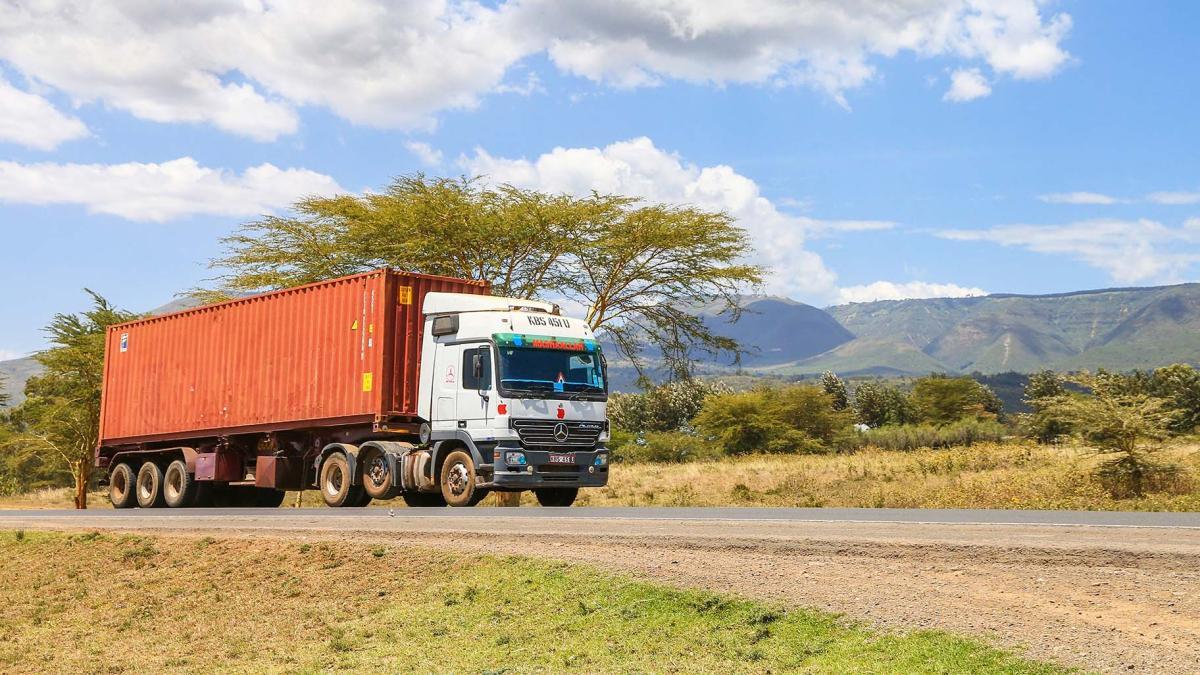
Explore insurance protection for specified loss or damage to goods while they are being transported.
Goods in Transit Insurance is a commercial insurance solution designed to cover specified loss or damage to insured goods while they are being transported from one location to another.
For businesses involved in manufacturing, distribution, wholesale trading, retail supply, logistics and transportation, the movement of goods is an important part of everyday operations. Products may travel between factories, warehouses, distribution centres, shops, construction sites and customer premises. During these journeys, goods can be exposed to risks that may result in financial losses.
A vehicle accident, a fire affecting the transporting vehicle or an insured theft incident may lead to damaged, destroyed or missing goods. Depending on the value of the cargo and the circumstances of the incident, the resulting loss can affect a company's cash flow, inventory management and ability to fulfil customer orders.
Goods in Transit (GIT) Insurance helps businesses manage eligible losses by providing insurance protection for specified events during insured journeys. The scope of protection depends on the insurer, the nature of the goods, the agreed transit arrangements, the insured geographical area and the wording of the policy.
At Mnara Risk and Wealth Advisory, we help clients understand the insurance options available for their transportation activities, assess relevant risks and identify important policy considerations before choosing cover.
Coverage varies between insurance products. The following are examples of risks that may be included in a suitable Goods in Transit policy, depending on its specific wording and any additional extensions.
Specified accidental physical damage to insured goods during transportation, such as damage resulting from a covered road traffic accident involving the carrying vehicle.
Physical loss or damage caused by fire affecting insured cargo during transportation, where the circumstances fall within the policy's covered events.
Loss of insured goods through specified theft or pilferage incidents, where this protection is expressly included and any security conditions have been satisfied.
Specified damage arising while insured goods are being loaded onto or unloaded from a vehicle, where these activities are included in the insured transit period.
Not every Goods in Transit policy automatically covers theft, loading and unloading, temporary storage or every type of accidental damage. Businesses should confirm the insured events, exclusions, transit routes, security requirements and applicable limits before purchasing a policy.
This insurance may be relevant to organisations that regularly transport goods as part of their commercial operations or have a financial interest in goods being moved between different locations.
Selecting appropriate Goods in Transit Insurance requires more than identifying the type of goods being transported. The nature of each journey, the value of the cargo and the business's contractual responsibilities can influence the cover required.
Insurance policies do not cover every possible loss. Exclusions vary by insurer and should always be reviewed carefully. Depending on the policy, limitations may apply to the following situations.
A policy suitable for transporting packaged retail goods may not provide the same protection for refrigerated products, fragile equipment or specialised machinery. Mnara can help you identify important questions to discuss with the insurer before arranging cover.
If insured goods are damaged, stolen or lost during transportation, prompt action and accurate documentation can help the insurer assess the incident.
Prioritise safety, prevent further loss where reasonably possible, and report theft or accidents to the appropriate authorities when necessary.
Report the incident within the timeframe required by the policy. Preserve relevant evidence and follow instructions concerning damaged goods.
Submit requested documents, which may include invoices, delivery notes, waybills, photographs, police reports and a description of the loss.
The insurer will assess the claim against the policy wording, supporting evidence and applicable limits. Settlement is not automatic and depends on whether the circumstances meet the requirements of the cover.
Talk to Mnara about the type of goods you transport, their value, your routes and the insurance options that may suit your business.
Coverage descriptions are illustrative. Actual protection is determined by the insurer's policy wording, insured goods, limits, exclusions, conditions and applicable endorsements.

Explore insurance protection for construction works, project materials and certain third-party liabilities.
Contractors All Risk Insurance is designed to protect eligible construction projects against specified accidental physical loss or damage to insured works, together with certain third-party liability risks where included.
Construction projects involve significant investments in labour, building materials, machinery, equipment and professional expertise. Whether a project involves a residential building, commercial development, warehouse, industrial facility or other construction works, unexpected incidents can lead to costly damage and disruption.
During construction, a project may be exposed to accidental damage caused by events such as fire, certain natural hazards, collapse or other insured incidents. Depending on the policy wording, the contractor or project owner may also face liability for accidental bodily injury or property damage suffered by third parties in connection with the insured works.
Contractors All Risk (CAR) Insurance combines construction works protection with a third-party liability component where provided by the policy. The intention is to help eligible project participants manage insured financial losses during the agreed construction period.
Despite its name, Contractors All Risk Insurance does not mean every possible risk is covered. Policy exclusions, deductibles, conditions, insured values and project declarations remain important.
Mnara Risk and Wealth Advisory helps contractors, developers and project owners understand these considerations and explore suitable insurance arrangements based on the nature, size and duration of their projects.
The following are examples of potential coverage areas. Actual protection depends on the specific policy, insured project, extensions and applicable exclusions.
Specified accidental physical loss or damage to insured permanent and temporary works forming part of the construction project.
Specified damage to materials intended for incorporation into the insured works, subject to the agreed location and storage conditions.
Certain legal liabilities arising from accidental injury to third parties connected with insured construction activities, subject to policy terms.
Certain legal liabilities for accidental damage to property belonging to third parties, where the event and liability are covered by the policy.
Depending on the insurer, project and policy terms, additional protection may be available for selected risks such as debris removal, maintenance periods, surrounding property or certain construction equipment. Such extensions must be confirmed in the policy and should not be assumed to be included automatically.
Contractors All Risk Insurance may be relevant to parties with a financial or contractual interest in construction works. The appropriate insured parties depend on the project structure and contractual obligations.
Construction projects differ in their design, location, materials, activities and expected completion dates. These details influence the risks being insured and the terms that may be offered.
A Contractors All Risk policy contains exclusions and conditions that define the scope of protection. Depending on the insurer and policy wording, these may include the following.
Contractors All Risk Insurance is not necessarily a replacement for WIBA, Employer's Liability, Professional Indemnity, motor insurance or other insurance required for a construction business. Different policies address different risks and responsibilities. Mnara can help you understand how these covers may work alongside one another.
If accidental damage or a potentially insured liability incident occurs at a construction site, the policyholder should follow the insurer's notification and claims requirements as soon as reasonably possible.
Prioritise the safety of workers and visitors, obtain emergency assistance where required and take reasonable steps to prevent further damage.
Report the incident within the policy's required timeframe. Avoid disposing of damaged property or admitting liability without appropriate advice.
Preserve photographs, incident reports, project records, contracts, invoices and other documents requested for assessment.
The insurer may appoint a loss adjuster or request further information before determining whether the loss is covered and the amount payable under the policy.
Speak to Mnara about your project type, contract value, construction period and insurance needs before arranging Contractors All Risk cover.
Contractors All Risk coverage depends on the insured project, policy schedule, construction period, endorsements, limits, deductibles, conditions and exclusions. Coverage is subject to insurer approval and policy terms.
Choosing commercial insurance involves understanding more than the policy name or premium. Businesses need to consider the nature of their operations, potential financial exposures and the protection offered by different insurance policies.
At Mnara Risk and Wealth Advisory, our approach focuses on helping clients understand their options, ask the right questions and make informed insurance decisions for goods transportation and construction projects.

Whether your business moves valuable goods or undertakes construction projects, understanding your insurance requirements is an important part of managing financial risk. Mnara helps you explore appropriate insurance options with clarity and confidence.
Speak to MnaraWe help identify important considerations associated with your goods, transportation arrangements, construction activities and potential financial exposures.
Understand relevant policy benefits, limits, exclusions, deductibles and conditions before making an insurance decision for your business.
We help you consider available insurance arrangements based on your operations, project requirements and the protection you are seeking.
Consider appropriate insured values, coverage periods, geographical limits and other details that may affect the suitability of your policy.
Understand the importance of timely claim notification, supporting documentation and following the insurer's requirements when an incident occurs.
As your business activities, shipment values or project requirements change, reviewing your insurance arrangements can help identify potential gaps.
Our approach is built around understanding your needs. We help businesses explore commercial insurance options while recognising that actual coverage and claims decisions remain subject to the insurer's terms and conditions.